

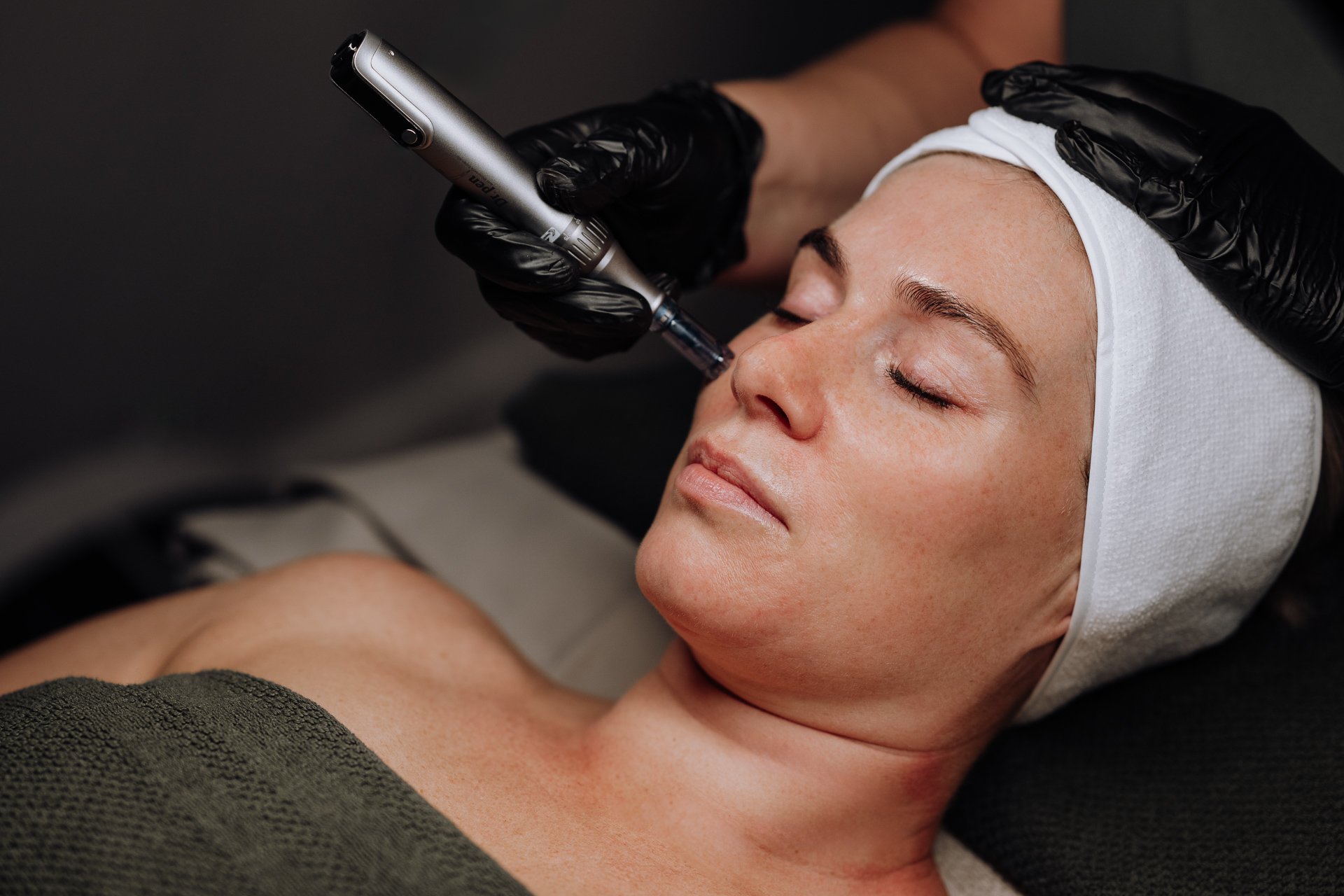
Clinical Protocol: Holding Page PRP Mesotherapy
Pre-Treatment Safety, Expectations & Aftercare.

Here is the clean, unformatted content for the Clinical Protocol: Targeted PRP Mesotherapy, ready to be pasted directly into your CMS.
Page Title: Clinical Protocol: Targeted PRP Mesotherapy
URL: /protocol-prp-mesotherapy
Title: Clinical Protocol: Targeted PRP Mesotherapy
Strapline: Detailed safety data, procedure steps and aftercare instructions.
Body Copy:
At Aesthetics at 51, transparency is a core pillar of my practice. I believe that every client should have full access to the clinical details of their treatment before booking. This document outlines the specific protocol, risks and recovery timeline for Targeted PRP Mesotherapy, specifically for the delicate areas of the eyes, neck and hands.
The Procedure Protocol
The appointment follows a strict clinical order to ensure sterility and safety:
Preparation: A topical numbing cream is applied to the treatment area (under-eyes, neck or hands) for approximately 20–30 minutes to ensure comfort.
Blood Draw: While you are numbing, I will draw approximately 10ml–20ml of blood from your arm.
Centrifugation: The blood is spun in a medical-grade centrifuge to separate the plasma.
Injection: The plasma is injected into the upper dermis using a "mesotherapy" technique. This involves multiple, very shallow micro-injections to deposit the fluid exactly where the skin is thinning.
Post-Treatment: Arnica gel may be applied to reduce the risk of bruising.
Sensation & Comfort
Pain Level: Mild.
Anesthetic: Yes. Prescription-strength topical anaesthetic is used.
Sensation: You will feel a series of small "pinches" or scratches. The under-eye area can feel sensitive, while the hands and neck are generally very well tolerated.
Downtime & Recovery
Recovery varies significantly depending on the zone treated.
The "Bumps" (Papules): This is the most distinct feature of mesotherapy recovery. Because the fluid is placed very shallowly, you will see small raised bumps on the skin immediately after treatment.
Neck & Hands: These bumps typically flatten and absorb within 24–48 hours.
Eyes: The fluid usually disperses faster, often within 12–24 hours, but mild puffiness is expected.
Bruising: The under-eye area is extremely vascular. While I use specific techniques to minimise this, bruising is a common side effect in this zone. You should plan your social calendar accordingly (allow 5–7 days for bruises to fade).
Risks & Side Effects
Swelling: Common, particularly under the eyes (oedema). This is temporary and resolves within days.
Bruising: Very common for eye treatments; less common for neck and hands.
Tyndall Effect: Extremely rare with PRP (unlike filler), but temporary discolouration can occur if a large hematoma forms.
Infection: Rare, provided aftercare instructions are followed.
Contraindications (Who cannot have this treatment)
I cannot perform this treatment if you have:
Active infection in the treatment area.
Systemic cancer or are undergoing chemotherapy.
Severe metabolic or systemic disorders.
Anticoagulation therapy (blood thinners) – High risk for under-eye treatment.
Pregnancy or breastfeeding.
Aftercare Instructions
To ensure the best results and prevent infection:
Hygiene: Do not touch the treated area for at least 4 hours.
Cold Compress: If the under-eyes are swollen, you may apply a cool compress (not ice directly on skin) for 10 minutes to reduce puffiness.
Sleeping: Sleep with an extra pillow to keep your head elevated for the first night; this helps drain fluid from the eye area.
No Makeup: Avoid concealer or makeup for 24 hours to prevent infection in the injection points.
Avoid Heat: No saunas, steam rooms or hot yoga for 48 hours.
Vital Singular Next Action
We have now generated all 7 pages required for the PRP launch (1 Hub, 3 Sales, 3 Protocols).
The physical task for you: Copy and paste these texts into your website CMS today.
Once you have done that, would you like to move to the "Silent Ask Leaflet" (from your Open Projects List) to start driving internal referrals for these new treatments?